
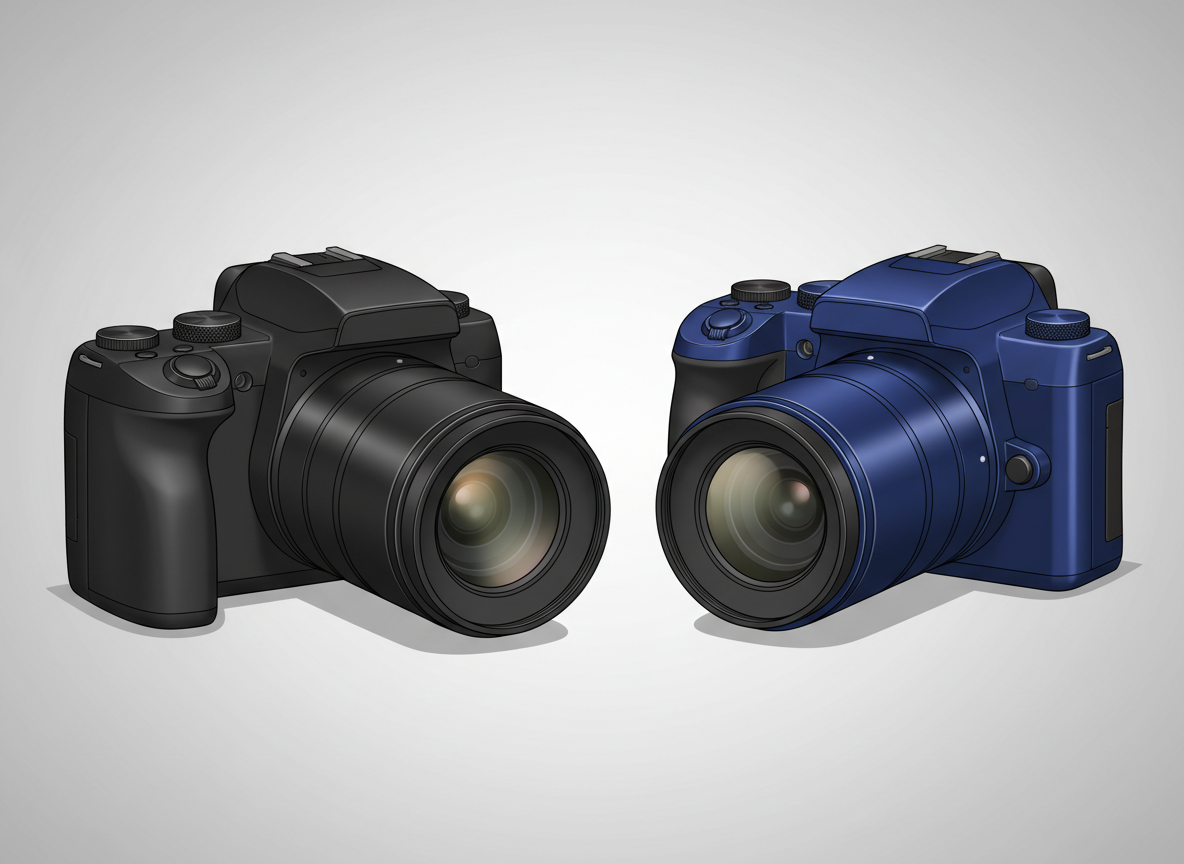
Used Superzoom Cameras in 2026: Sony HX1 vs Kodak AZ528
Want a camera that brings distant subjects closer without carrying interchangeable lenses? A used superzoom or travel-zoom camera can be a practical option. The trick is choosing the right kind of zoom for your trips, rather than buying whichever listing advertises the biggest number.
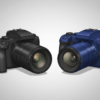
For 2026 shoppers, three useful examples are the Sony Cyber-shot DSC-HX1, Kodak PIXPRO AZ528, and Panasonic Lumix DMC-ZS7. Each approaches the same problem differently: reach, handling, and portability.
What the 2026 used-camera market means for buyers
An October 24, 2026 used-camera price analysis compared the same-condition asking prices for 222 cameras and lenses at MPB between May and October. Its median change was −3.5%; the 29 Sony items in that sample fell a median 8.1%. Those figures describe a particular dealer sample—not completed eBay sales, not every Sony model, and not a forecast for an HX1 or AZ528. They are a reminder to check fresh, model-specific comparisons before buying.
Use completed-sales filters where available on marketplaces such as eBay, then compare the actual condition, battery and charger inclusion, shipping, and return terms. A low asking price is not automatically a bargain.
Sony HX1 vs Kodak AZ528 vs Panasonic ZS7: key differences
| Camera | Optical zoom | 35mm-equivalent range | Best fit |
|---|---|---|---|
| Sony Cyber-shot DSC-HX1 | 20× | 28–560mm | Bridge-camera handling and a long telephoto range |
| Kodak PIXPRO AZ528 | 52× | 24–1248mm | Very distant subjects in good light |
| Panasonic Lumix DMC-ZS7 | 12× | 25–300mm | Travel-friendly, smaller-camera convenience |
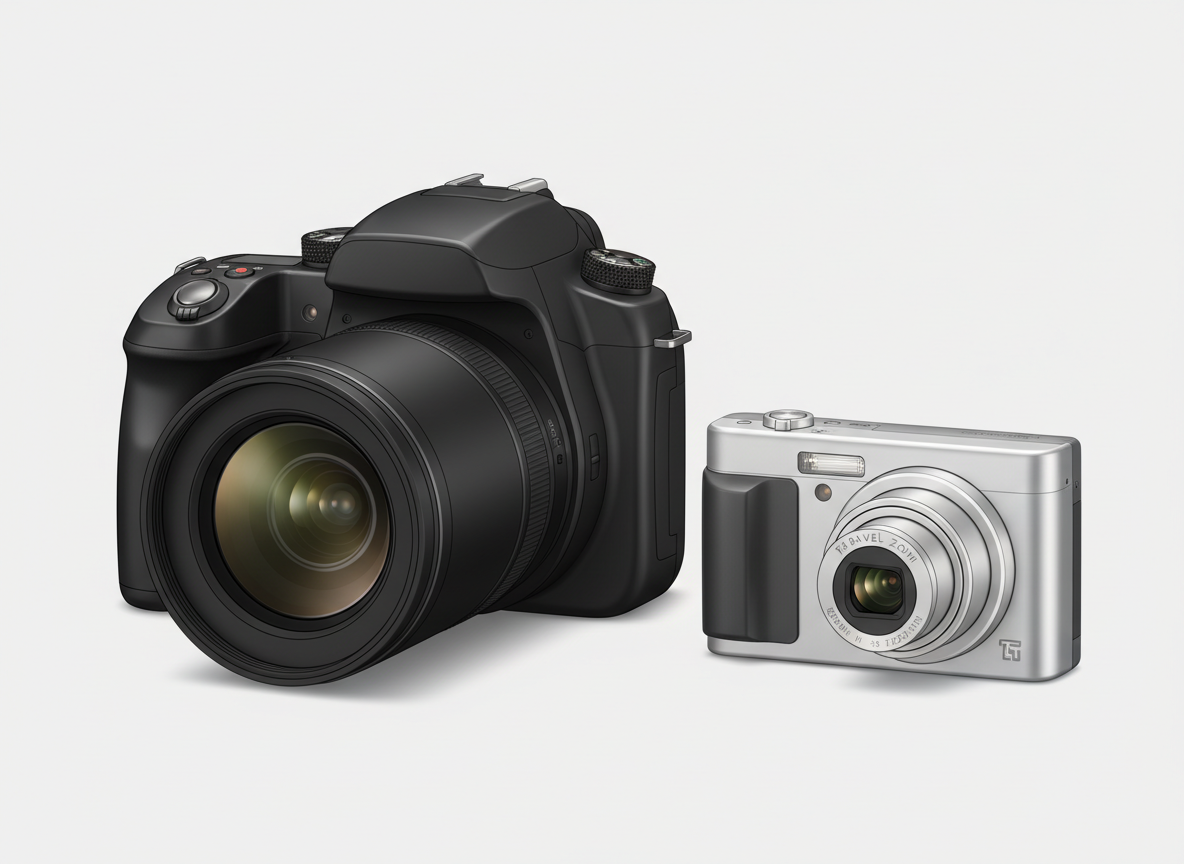
These figures come from Sony’s HX1 specification sheet, Kodak PIXPRO’s AZ528 specifications, and Panasonic’s ZS7 manual. Optical zoom uses the lens to magnify the scene; digital zoom typically crops or processes an image, so it is not an equivalent substitute.
Which used zoom camera should you choose?
Choose the Sony Cyber-shot HX1 for classic bridge-camera controls
The HX1 offers a substantial grip, electronic viewfinder, a tilting screen and 20× optical zoom. It suits someone who wants a camera-shaped camera for daylight outings, landscapes, or distant subjects without swapping lenses. Its 28mm wide end is less expansive than the other two cameras here, and its age makes battery health and storage compatibility particularly important.
Compatibility note: Sony lists Memory Stick Duo-family media for the HX1. Do not assume a standard SD card will fit. Check which compatible card, if any, is included with the particular used camera.
See the BeyondContent Sony Cyber-shot DSC-HX1 listing for the individual unit’s condition and accessories; inventory can change.
Choose the Kodak PIXPRO AZ528 when reach matters most
The AZ528’s 52× optical zoom reaches a 1248mm-equivalent telephoto position, much farther than the HX1 or ZS7. That can help frame distant birds, landmarks, or field-side action. But extreme zoom magnifies camera shake and atmospheric haze, too. A steady stance, image stabilization, bright light, and realistic expectations matter more than the headline zoom number.
The AZ528 uses SD/SDHC cards, with Kodak specifying support up to 32GB; it is not a camera to buy on the assumption that any newer high-capacity SDXC card will work. Review the BeyondContent Kodak PIXPRO AZ528 listing for the actual unit’s tested functions and included items.
Choose the Panasonic Lumix ZS7 for a smaller travel companion
The ZS7 gives up maximum reach but offers a useful 25–300mm-equivalent zoom in a more compact body. It is a sensible option for daytime travel, street scenes, and casual sightseeing when a larger bridge camera would be left at home. The model also offers manual exposure options and built-in GPS, although older GPS features and location services should not be assumed to work like those on a modern phone.
Explore the Panasonic Lumix DMC-ZS7 product page for unit-specific details.
Will a used superzoom beat your smartphone?
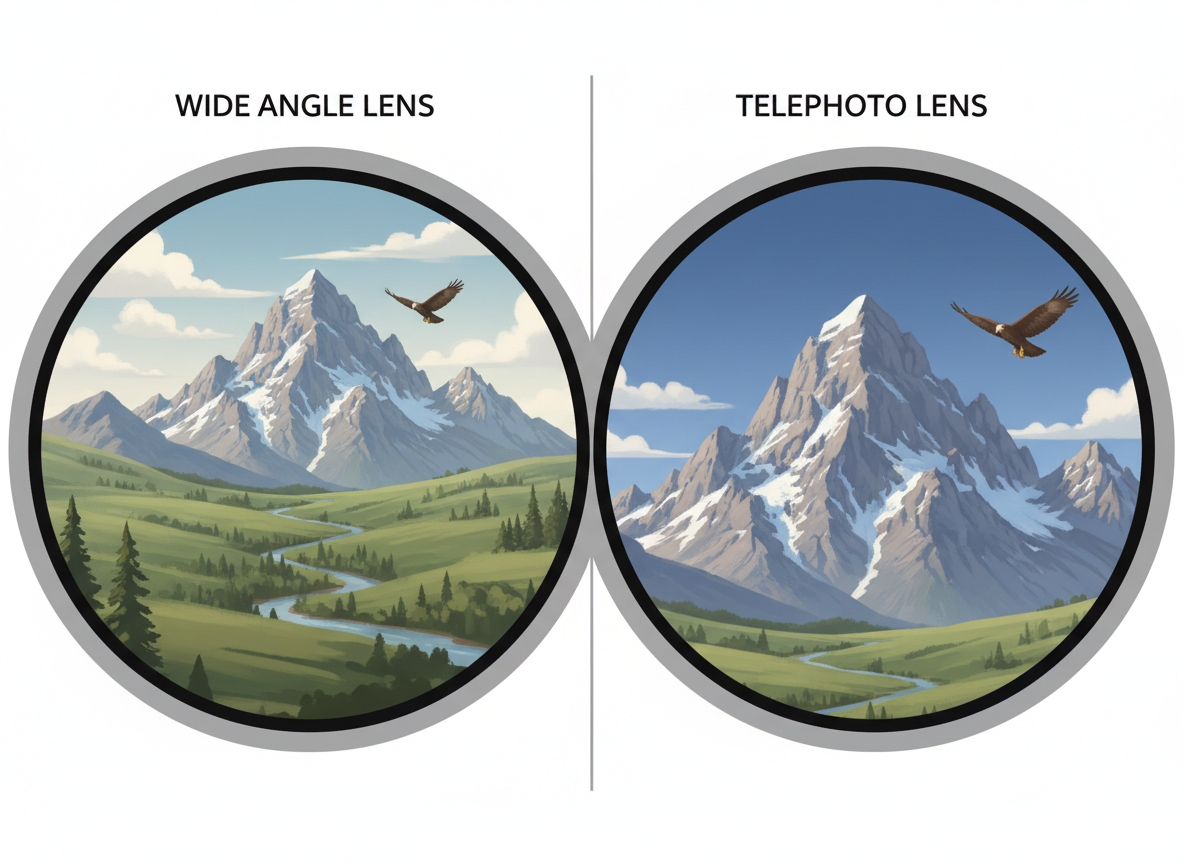
Not in every situation. A modern phone may be more convenient for low-light snapshots, computational processing, video sharing and quick editing. A dedicated superzoom’s advantage is its physical lens range: it can frame a distant subject optically instead of relying solely on a heavy crop. In bright daylight, that flexibility can be worth carrying a second device.
For indoor family photos, dim concerts or fast sports, do not expect an older small-sensor zoom camera to perform like a current flagship phone or a large-sensor interchangeable-lens system. Compare sample images from the exact model at the focal lengths you plan to use.
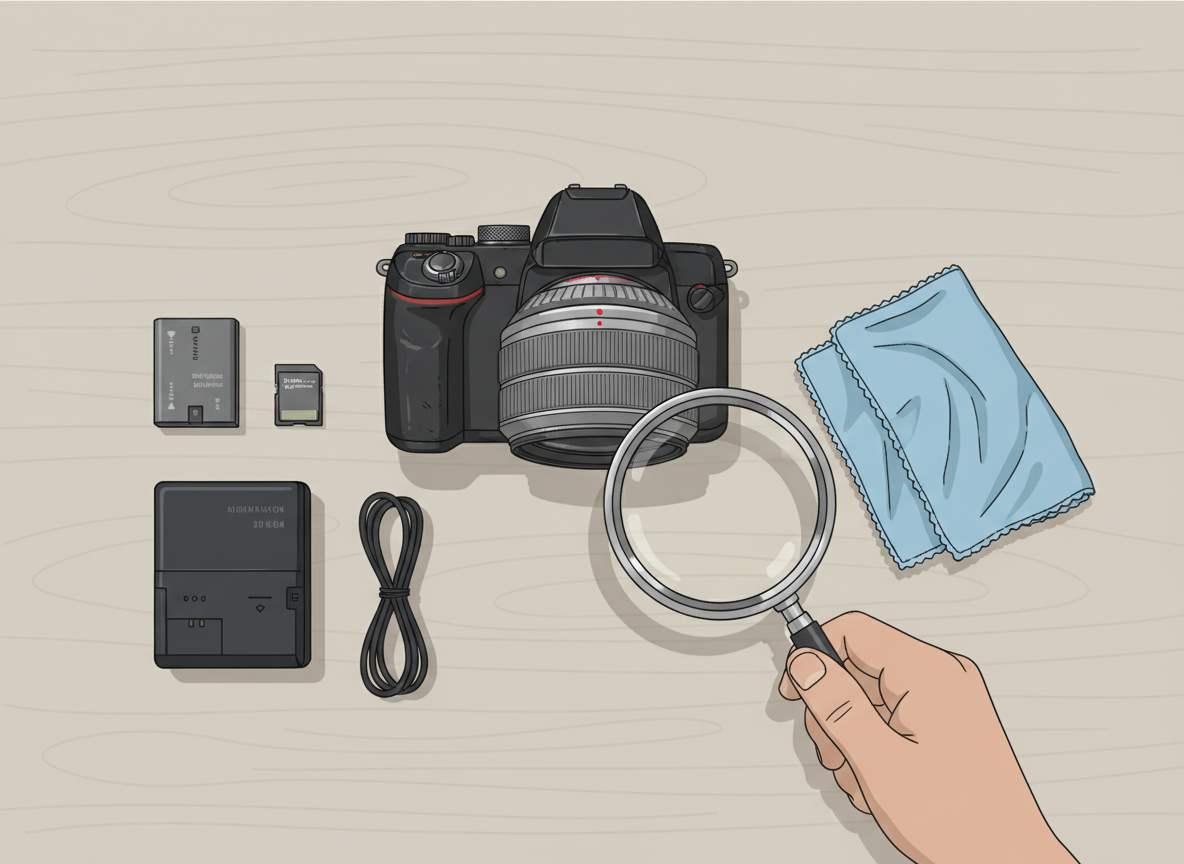
Seven checks before buying a used superzoom
- Zoom movement: Confirm the lens extends and retracts smoothly across its range, without grinding or error messages.
- Focus at both ends: Ask whether autofocus works at wide angle and telephoto. A camera that focuses only when zoomed out is not fully functional.
- Actual photo files: Confirm the camera can capture, save and play back images, ideally using a compatible memory card.
- Lens and screen: Look for significant scratches, haze, fungus, separation, LCD damage or display artifacts.
- Stabilization and flash: Check what the seller tested, rather than assuming every feature works from a “powers on” description.
- Battery, charger and storage: Price any missing proprietary battery, charging solution or compatible card before deciding.
- Return terms and defects: Read the entire condition report and check photographs of the actual unit, not only catalog images.
For a broader walkthrough, see our used digital camera buying guide and camera inspection checklist. A camera’s inspection report should identify any checks that failed or were not performed.
Bottom line: buy for your shooting distance, not the biggest number
The Sony HX1 is appealing for classic bridge-camera ergonomics; the Kodak AZ528 is the long-reach choice; and the Panasonic ZS7 is the more compact travel option. There is no universal winner. Compare model-specific completed sales, accessory costs and the condition of the exact unit before ordering. Above all, match the camera to where—and in what light—you actually take pictures.
Research checked October 26, 2026. Market figures are historical asking-price observations, not promises about future prices or current stock.


Add comment